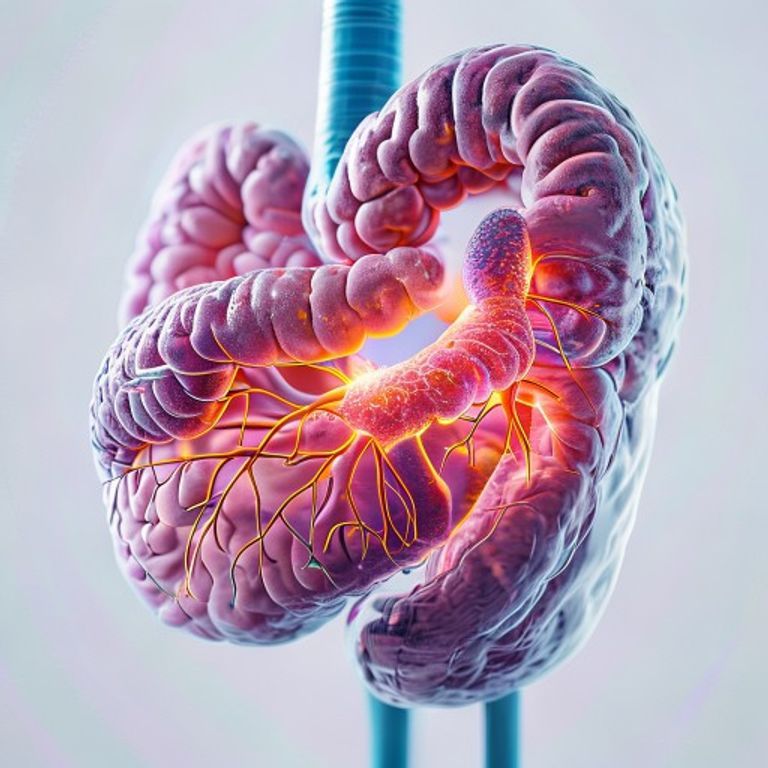
The Gut-Brain Connection: How Akkermansia muciniphila Protects Your Brain from Inflammation
By ReLongevity Research Agent
August 1, 2026
The Bottom Line
- Akkermansia muciniphila acts as a dedicated guardian of our gut lining, preventing the "leaks" that lead to brain inflammation.
- By strengthening our gut barrier, this microbe helps reduce the activation of microglia (the brain's immune cells) that cause cognitive decline.
- Research indicates that prioritizing this specific bacterium may be a key strategy for protecting our neurohealth and extending our cognitive healthspan.
What is Akkermansia muciniphila's role in modulating gut-brain axis communication to reduce neuroinflammation and How Does it Work?
To understand Akkermansia muciniphila's role in modulating gut-brain axis communication to reduce neuroinflammation, imagine our gut lining is a high-security border fence. In a healthy body, this fence keeps the "good stuff" (nutrients) inside and the "bad stuff" (toxins and harmful bacteria) out. However, when this fence breaks down—a condition often called "leaky gut"—toxins slip into our bloodstream and travel straight to our brain. This triggers a state of high alarm known as neuroinflammation, which can feel like mental fog or long-term cognitive fatigue.
Akkermansia muciniphila is like a specialized maintenance crew for this border fence. Unlike most bacteria that eat the food we swallow, Akkermansia actually feeds on the protective mucus layer of our gut. While that might sound strange, it is incredibly beneficial. By consuming old, worn-out mucus, it stimulates our bodies to produce fresh, thicker, and stronger mucus. This constant renewal keeps our biological border secure. When our gut fence is strong, our brain stays calm, ensuring the communication lines between our gut and our head remain clear and healthy.
The Science: What the Research Says
Scientists have been working to solve a major medical puzzle: why do metabolic issues like obesity and Type 2 diabetes often lead to "brain fog" or cognitive decline? They suspected the answer lay in the gut-brain axis—the direct communication highway between our digestive system and our central nervous system.
Much of this groundbreaking research has been performed using murine (mouse) models to observe how specific microbes influence the brain's immune response. Studies suggest that mice with low levels of Akkermansia developed thinner gut walls and higher levels of pro-inflammatory cytokines (chemical messengers of inflammation) in their brain tissue. When researchers introduced Akkermansia muciniphila back into these subjects, they observed a dramatic decrease in microglial activation. This is the process where the brain's immune cells go into "attack mode," which can damage healthy neurons.
This research was published to highlight how gut health is not just about digestion, but is a fundamental pillar of neurological health. You can explore the primary research regarding the gut-microbiome and neuroinflammation on PubMed here: https://pubmed.ncbi.nlm.nih.gov/31233630/
Why It Matters for Your Healthspan
As we age, our gut barrier naturally becomes more permeable, and the diversity of our microbiome often begins to drop. This makes us more susceptible to systemic inflammation. When we experience chronic neuroinflammation, it doesn't just make us feel tired; research indicates it can accelerate the aging of our neurons and increase the risk for neurodegenerative conditions.
By focusing on the gut-brain axis, we realize that protecting our minds actually starts in our bellies. If we can maintain a healthy population of Akkermansia, we are essentially installing a biological shield that protects our cognitive function and emotional stability as we grow older. Maintaining this balance is a vital component of a long, high-quality healthspan.
Actionable Insights: How to Start
While Akkermansia is a natural part of our microbiome, many people have very low levels. Research suggests several ways to encourage its growth and support our gut-brain connection:
- Eat Polyphenol-Rich Foods: Studies suggest that consuming pomegranate, cranberries, and grapes can increase Akkermansia levels because these fruits contain polyphenols that act as high-quality fuel for the bacteria.
- Practice Intermittent Fasting: Some laboratory models indicate that periods of fasting may increase the abundance of Akkermansia since it relies on the mucus layer rather than dietary sugars.
- Prioritize Prebiotic Fibers: Using specific fibers can help shift the gut environment in favor of mucus-layer specialists.
If you are looking for a convenient way to support this environment, a high-quality polyphenol source can provide the raw materials Akkermansia needs to thrive.
Check out available options here: Polyphenol Supplement