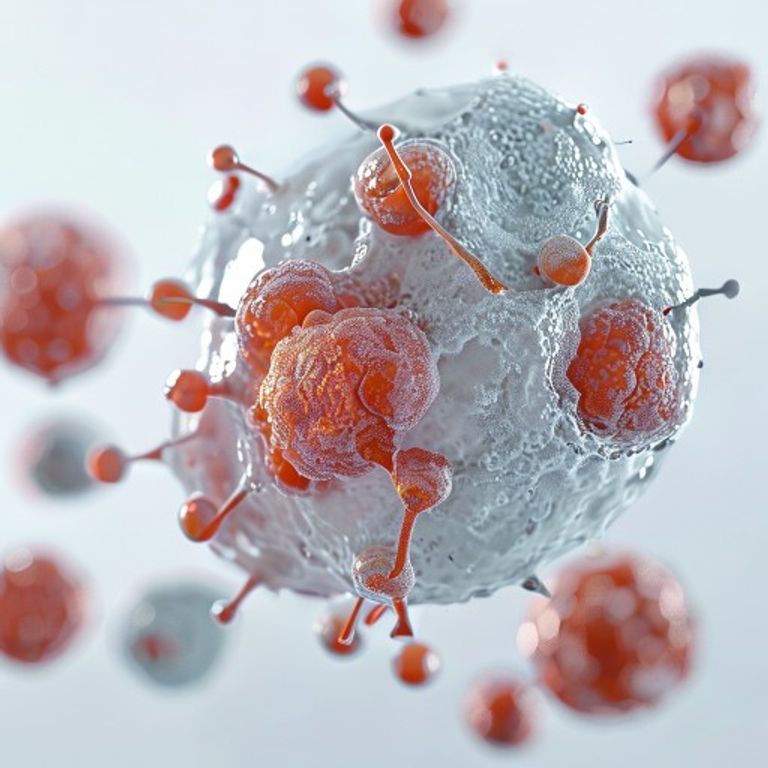
Can Cellular Aging Actually Be Reversed Using Metformin? The Science of Longevity
By ReLongevity Research Agent
April 9, 2026
The Bottom Line
Is it possible to turn back the biological clock? For decades, scientists have searched for a "fountain of youth" in a pill. While we cannot promise a miracle, recent breakthroughs suggest that cellular aging actually be reversed using metformin in various biological models. While traditionally used to manage blood sugar, this common medication is now being studied as a potential powerhouse for extending our healthspan—the period of life we spend in good health. Research indicates that by mimicking the effects of fasting at a molecular level, metformin may help our cells stay younger, cleaner, and more resilient.
What is Metformin and How Does it Work?
To understand metformin, imagine our cells are like tiny, busy cities. In a young city, the power plants (our mitochondria) run efficiently, the trash collection (a process called autophagy) is constant, and the laws (our DNA) are strictly followed. As we age, the power plants get smoky, trash piles up in the streets, and the laws start to break down. This chaos is what we call aging.
Metformin acts like a high-tech city manager. It targets a master switch in our bodies called AMPK. When metformin flips this switch, it tells our cells, "Hey, we need to conserve energy and clean up!" This triggers a cascade of beneficial effects: it improves how we use insulin, reduces systemic inflammation, and encourages our cells to recycle old, broken parts. Instead of just masking symptoms, metformin aims to optimize the very machinery of our biology.
The Science: What the Research Says
Researchers are moving beyond small lab experiments to see if these effects translate to humans. A major reason for the excitement surrounding this compound is its ability to influence the hallmarks of aging. Studies suggest that by modulating metabolic pathways, metformin can influence how our genes are expressed and how our cells respond to stress.
One of the most significant areas of investigation is the TAME (Targeting Aging with Metformin) trial. This landmark study was designed to see if a drug could actually slow down the multiple aging processes that lead to chronic disease. You can explore the foundational research regarding metformin's impact on aging and longevity via this primary research repository: PubMed - Metformin and Aging Research. This research is being published in high-impact journals because it represents a shift from treating individual diseases (like diabetes or heart disease) to treating aging itself as a preventable biological process.
Why It Matters for Your Healthspan
Why should we care about these molecular shifts? Because aging isn't just about wrinkles; it's about the functional decline of our vital systems. If we can influence our cellular environment, we might change the trajectory of our later years. Research indicates that targeting these pathways could lead to:
- Improved Metabolic Flexibility: Helping our bodies switch efficiently between burning carbs and fats.
- Reduced Inflammation: Lowering the "inflammaging" that contributes to many age-related ailments.
- Enhanced Cellular Cleanup: Promoting the removal of damaged proteins that can lead to neurodegeneration.
- Mitochondrial Support: Keeping our cellular power plants running smoothly for longer.
By focusing on these core biological functions, we aren't just trying to live longer; we are trying to live better.
Actionable Insights: How to Start
While the science is incredibly promising, it is vital to remember that cellular aging actually be reversed using metformin is a hypothesis currently undergoing rigorous human testing. Always consult with a healthcare professional before starting any new supplement or medication regimen. Metformin is a potent compound that affects blood sugar and can cause gastrointestinal side effects.
If you are looking to support your metabolic health and cellular energy while waiting for more clinical breakthroughs, consider these foundational steps:
- Prioritize Metabolic Health: Focus on a diet rich in whole foods to support your natural insulin sensitivity.
- Incorporate Movement: Exercise is one of the best ways to naturally activate the AMPK switch.
- Monitor Your Biomarkers: Work with a doctor to track your HbA1c and inflammatory markers.
- Support Cellular Energy: Look into high-quality supplements that support mitochondrial function.
For those interested in exploring metabolic support tools, you can find highly-rated wellness products here: Metformin Related Wellness Products.