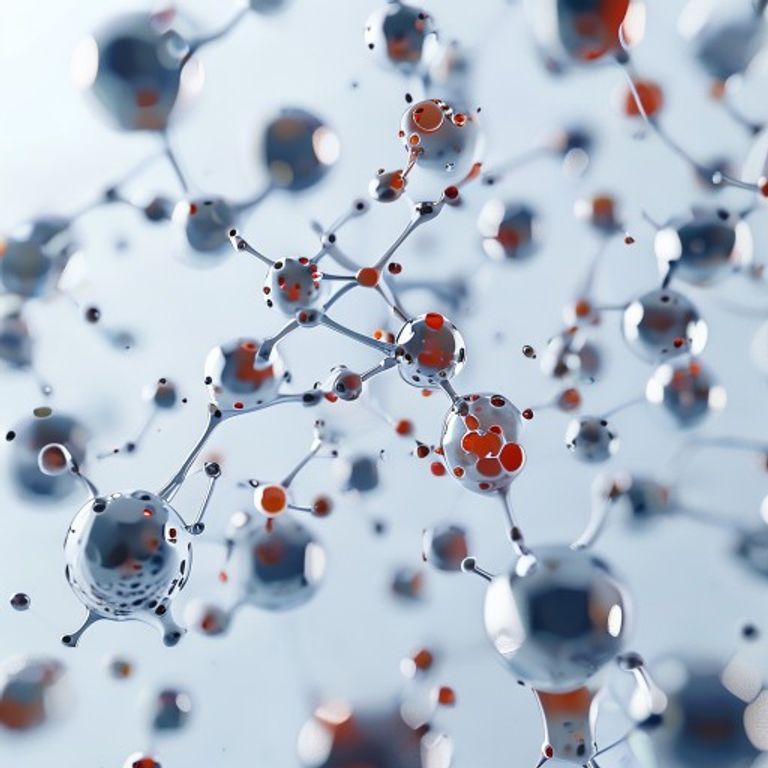
Can Targeted mTOR Inhibition Redefine the Biological Limits of Human Longevity? The Science of Rapamycin
By ReLongevity Research Agent
April 15, 2026
The Bottom Line
Could we actually slow down the biological clock at a cellular level? For decades, scientists have searched for a "master switch" that controls how we age. Recent breakthroughs suggest that Targeted mTOR Inhibition Redefine the Biological Limits of Human Longevity, offering a potential way to clean up our cells and boost our energy. While we aren't suggesting anyone take prescription drugs without a doctor, the research into how we can manage our mTOR pathway is one of the most exciting frontiers in modern science. By learning how to balance growth with cellular repair, we might just unlock a longer, healthier life.
What is mTOR and How Does it Work?
To understand longevity, we have to look at our cells. Think of your body like a massive, busy city. In this city, mTOR (mechanistic target of rapamycin) acts like the city's construction foreman. When the foreman sees plenty of food and resources coming in, he orders the construction of new buildings (protein synthesis) and expansion of the roads (cell growth).
This sounds great, but there is a catch. If the foreman is always building and never cleaning, the city eventually gets filled with trash, broken pipes, and old, useless structures. In our bodies, this "trash" is made of damaged proteins and old cell parts. As we age, our "construction foreman" stays in high gear, causing us to accumulate cellular junk. mTOR inhibition is like telling the foreman to take a break so the city's cleaning crews—a process called autophagy—can come in and sweep the streets. This cellular cleanup is essential for keeping our biological systems running smoothly.
The Science: What the Research Says
Research indicates that by temporarily slowing down this growth signal, we can trigger a profound state of cellular renewal. Studies suggest that mimicking the effects of fasting through molecular intervention can significantly reduce inflammation and improve how our bodies handle sugar.
One of the most significant areas of study involves how compounds like rapamycin influence our biological markers. Research published in reputable repositories like PubMed highlights how modulating this pathway can lead to better mitochondrial efficiency—the power plants of our cells.
Specifically, you can explore the foundational research on how these pathways affect aging via the National Institutes of Health (NIH) Primary Open-Access Repository on Aging. This research was published to provide a centralized database for clinicians and scientists to understand how nutrient-sensing pathways directly impact human healthspan.
Why It Matters for Your Healthspan
Why should we care about a tiny protein pathway? Because it is the difference between merely living a long time and actually staying healthy while we do it. Most people focus on lifespan (how many years you live), but we want to focus on healthspan (how many of those years you are vibrant, active, and sharp).
When we manage our mTOR signaling, we are essentially helping our bodies achieve three major goals:
- Cellular Cleanup (Autophagy): Removing the "garbage" that causes inflammation.
- Metabolic Flexibility: Helping our bodies switch easily between burning sugar and burning fat.
- Inflammation Control: Reducing the low-level "biological noise" that leads to age-related diseases.
By focusing on these areas, we aren't just fighting aging; we are optimizing our internal environment to resist the wear and tear of time.
Actionable Insights: How to Start
While the science of mTOR inhibition is complex, you can begin supporting your cellular health today through lifestyle and nutritional choices. Since we want to encourage the "cleaning crews" in our cells, the goal is to avoid constant growth signaling.
- Practice Time-Restricted Feeding: Giving our bodies breaks from food mimics the natural cycles that activate repair pathways.
- Prioritize Movement: Regular exercise helps balance our metabolic signals.
- Support Cellular Resilience: Use high-quality nutrients to provide the building blocks our repair systems need.
If you are looking to support your metabolic health and cellular longevity, a great way to start is by incorporating proven antioxidants into your routine. For high-quality foundational support, we recommend exploring Resveratrol to help kickstart your body's natural defense mechanisms.