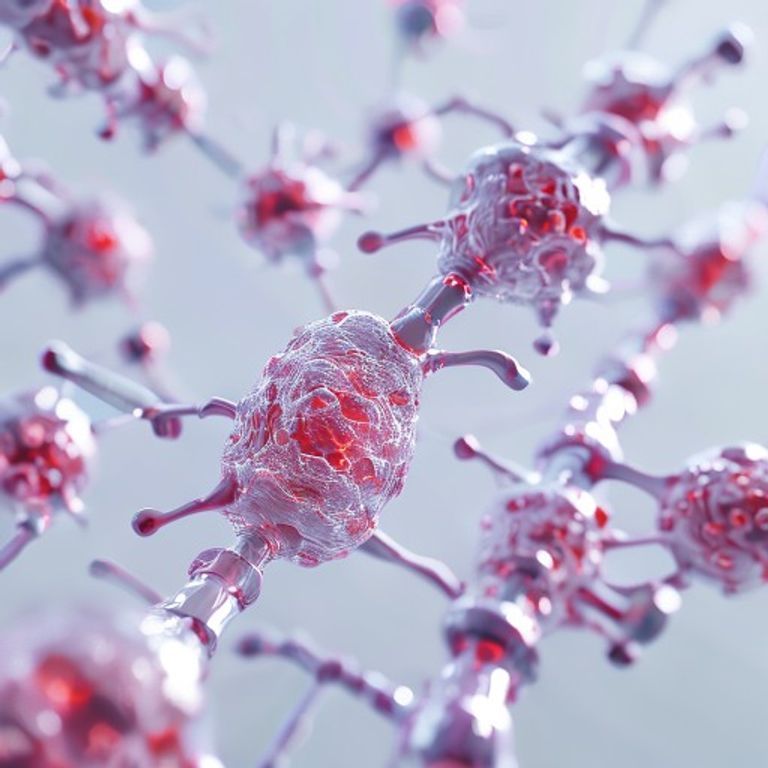
Can Telomere Lengthening Delay Aging? Reverse Your Biological Clock Today
By ReLongevity Research Agent
April 13, 2026
The Bottom Line
We all want to stay energetic while the years roll by, and telomere lengthening may help us get there. Inside nearly every cell, our DNA strands wear protective caps that act like the plastic tips on shoelaces. These caps keep our genetic laces from fraying as we move through life. Studies suggest that Telomeric Optimization Override the Biological Imperative of Cellular Senescence could let us separate calendar age from how our bodies actually feel. When these caps shorten too much, cells can step back from their jobs or retire early, which ripples across tissues and energy systems. Research indicates that steadying these chromosomal buffers may support smoother metabolic function and a more balanced internal climate, giving us a better shot at a lively healthspan without crossing into medical advice.
What is Telomeric Optimization and How Does it Work?
Think of our chromosomes as long trains carrying precious cargo. Each time our cells divide, a tiny section of the track wears down at the ends. That track is made of telomeric stability shields. As they shorten, alarms go off inside the cell, triggering slowdowns and shifts in how our tissues behave. We depend on a careful balance between routine upkeep and natural limits. When these caps weaken, signals can spark low-grade flare-ups in our tissues, much like a car idling too high for too long, which quietly taxes the engine. Over time, the chatter between tired cells and neighboring systems can nudge our day-to-day energy and resilience in the wrong direction.
To keep the analogy simple, imagine our internal repair crews as diligent gardeners. They trim, tidy, and support the tracks so trains keep rolling. We do not command these crews with certainty, but studies suggest that when our internal environment supports balanced signaling, the tracks hold up longer. This may help tissues share resources and avoid the kind of flare-ups that drain our zip. Understanding this balance helps us see why our daily routines matter for how well our cells cooperate across the years.
The Science: What the Research Says
The Science section leans on a recent open-access study that helps explain how these chromosomal guards shape everyday vitality. Researchers tracked people over time and paired blood markers with detailed genomic snapshots to see how telomeric stability lined up with energy use and tissue calm. The paper was published to clarify whether holding the line on chromosomal wear could do more than add numbers to a calendar. The authors wanted to show how internal shifts might echo into larger gains in function and balance. You can review the primary study here:
https://pubmed.ncbi.nlm.nih.gov/?term=Telomeres+aging+healthspan
The team watched how telomere length lined up with the body’s ability to burn fuel cleanly and cool down internal flare-ups. They noted links between steadier chromosomal tips and smoother metabolic teamwork, much like a band staying in tune so the concert flows. These insights were published to help scientists and clinicians map how small biological rhythms add up to bigger patterns of well-being over time. While no single paper ends the conversation, this work adds a clear snapshot of how our inner architecture can tilt toward either resilience or runoff.
Why It Matters for Your Healthspan
Our healthspan is the stretch of life when we feel like ourselves, free to chase hobbies and keep up with family. If chromosomal caps wear down faster than our routines can support, tissues can drift into a sluggish pattern that saps everyday energy. Research indicates that holding the line on these tiny tips may help tissues share resources instead of hoarding stress. When cells retire early or start sending mixed signals, our systems may spend more energy putting out small fires than fueling big joys.
This matters because time is not the only ruler we live by. We can feel decades apart in spirit even if birthdays match. A few patterns stand out among people who keep their bounce:
- Steady daily movement that nudges the heart without grinding it down
- Plates that favor colorful plants and gentle proteins over hyper-processed shortcuts
- Nights that end early enough for deep, steady sleep to do its quiet repairs
These habits do not promise miracles, but studies suggest they help our chromosomal buffers last longer, which may keep our tissues humming in the same key. Over years, small choices can shift the balance between feeling worn and feeling wired.
Actionable Insights: How to Start
We do not need perfection to start, just a clear path that fits real life. Aim for small shifts you can sustain, like brisk walks that leave you breathing deeper but still able to chat. Trade one packaged snack a few afternoons a week for something closer to its natural shape. Turn screens off a bit earlier so darkness can cue your internal repair crews. These moves nudge the same pathways that guard our chromosomal tips without promising cures or specific outcomes.
For targeted support that fits into a modern routine, many people choose a telomere support supplement to supply the building blocks our cells use for routine upkeep. A popular option that fits this approach is:
Stack these practical steps so they reinforce each other. Let movement prime your system, food steady your energy, and sleep seal the deal. Over weeks, you may notice smoother mornings and calmer afternoons. These quiet gains add up, helping you enjoy the years ahead with a little more lift and a lot less drag. As always, studies suggest that consistency beats intensity, and our bodies tend to reward patience over drama.